
Interesting places nearby
Our tips on what to visit and do
Nearby surroundings of Bydlit
Experience
Brno Reservoir - Prýgl
Experience
Brno city center
Cultural monumentsŠpilberk Castle
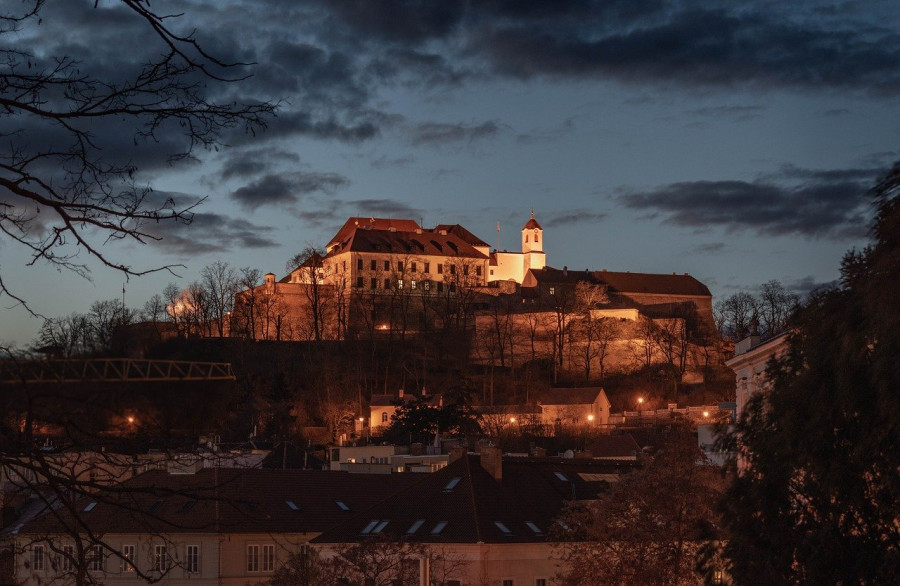
The castle was founded around the mid-13th century. Its builder, Czech King Přemysl Otakar II, designed it not only as a stronghold of royal power but also as a dignified residence for the rulers of Moravia. The earliest written records of the castle date from 1277 to 1279, gradually mentioning the castle chapel, a parliamentary assembly held on its premises (January 1278), and finally the name of the hill, which was soon also applied to the castle itself. The castle, where the Margraves of Moravia occasionally resided, was transformed during the 17th and 18th centuries into a formidable military fortress. In 1783, the castle was converted into a civilian prison for the most serious criminals and soon also for political prisoners from across the Habsburg monarchy. At that time, Špilberk was reputed to be the harshest prison in Europe.
After the prison was closed in 1855, the complex served as military barracks. The castle returned to its former function during both World Wars, when opponents of the Austrian regime and Czech patriots during the Nazi occupation were imprisoned there. In 1962, Špilberk was declared a national cultural monument.
The current castle walls offer stunning views of Brno and house a cultural center – home to the Museum of the City of Brno, hosting concerts, theater performances, and festivals.
The complex also features the famous carillon of fifteen bells, an observation tower in the castle's corner tower, and a Baroque chapel dedicated to the Holy Trinity. A popular tourist attraction is also the casemates—dark vaulted corridors surrounded by a mix of romantic and frightening legends. Visitors can also explore the Lapidarium in the restored water reservoirs, known as the "Temple of Stone". Since the end of 2021, the southwestern bastion—a massive projection of Špilberk's walls—has been open to the public, revealing an impressive labyrinth of corridors and chambers. In the restored bastion, visitors can see original fragments of the defensive system and literally walk in the footsteps of brave soldiers from the past.